October 2026
World Osteoporosis Day 2026: Strong Bones, Steady Steps
Bone loss can go unnoticed until a fracture occurs. This World Osteoporosis Day, take a step toward better bone health.
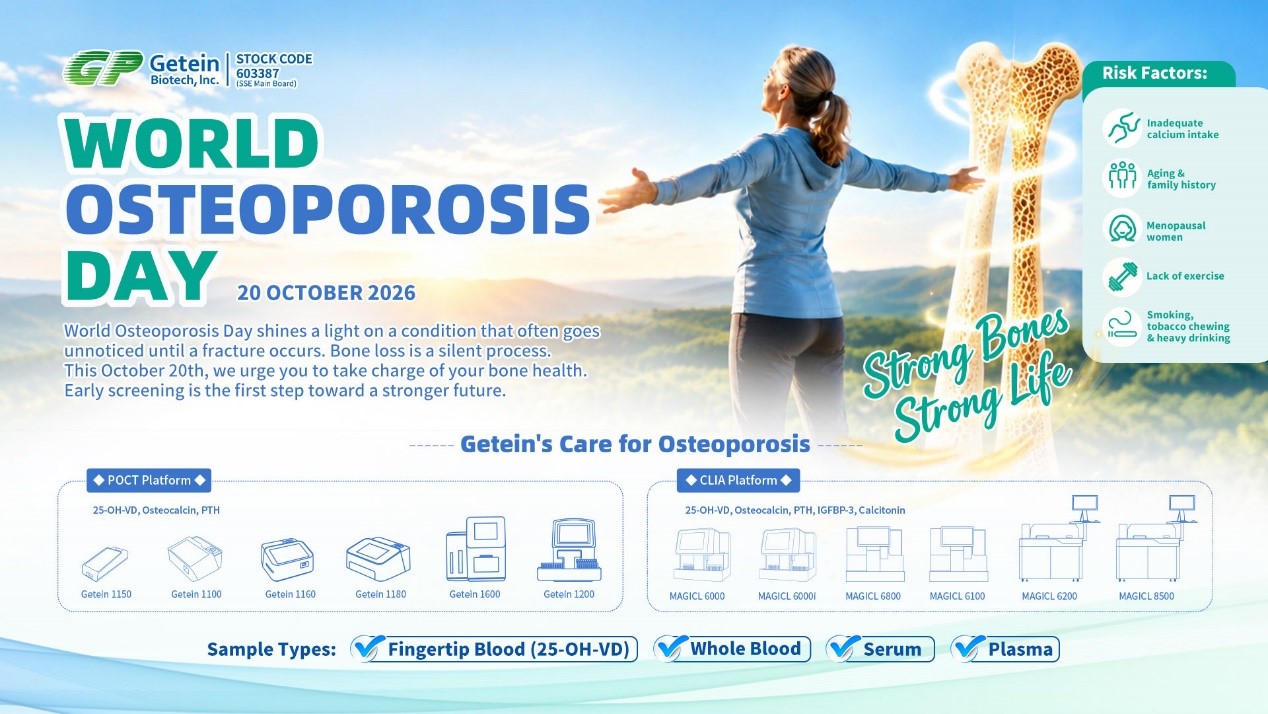
Every year on 20 October, World Osteoporosis Day raises awareness of osteoporosis and the fractures it can cause. Osteoporosis often develops without obvious symptoms. For many people, a fracture after a minor fall is the first sign that their bones may have become fragile.
Knowing your risk and seeking timely advice can help you take action to protect your bone health.
What Is Osteoporosis
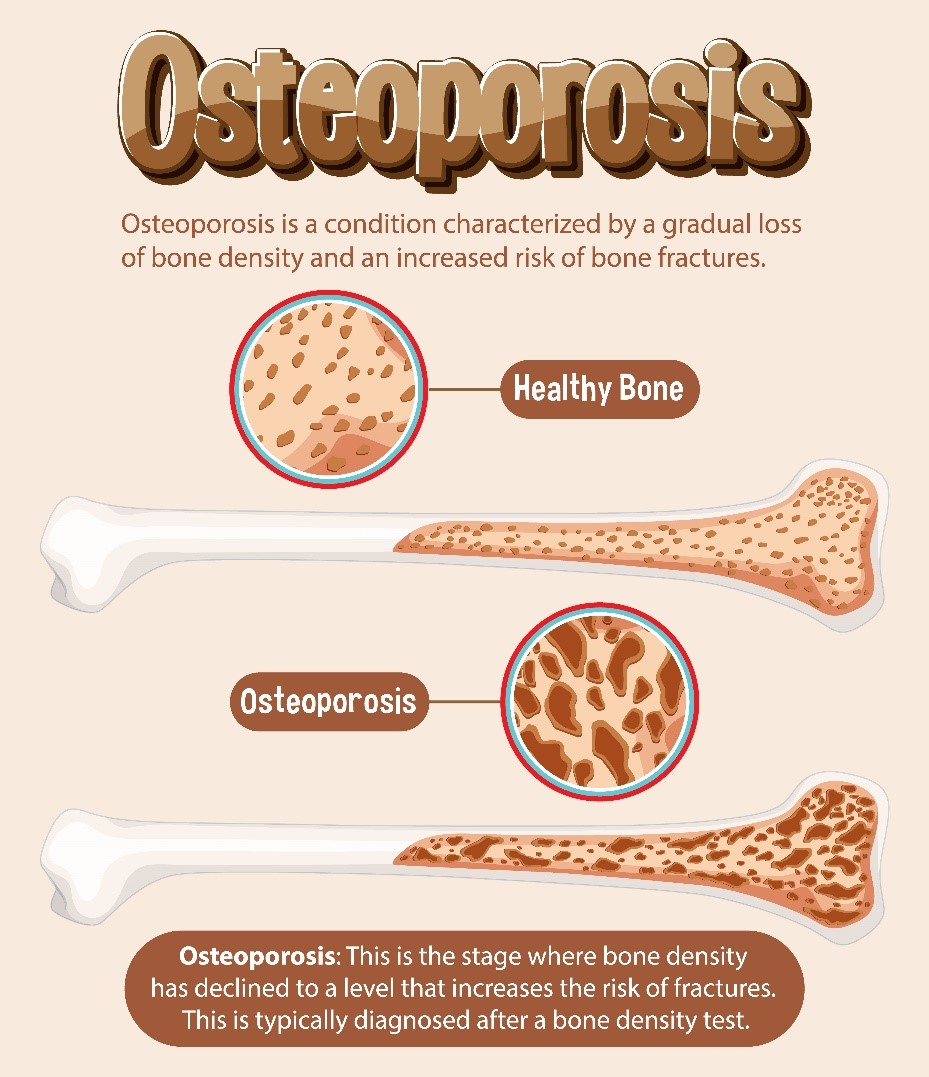
Osteoporosis is a condition in which bones become less dense and more fragile, increasing the risk of fractures. The hip, spine and wrist are among the sites commonly affected.
Bone loss is often silent, which makes awareness and appropriate assessment important—especially for people with risk factors.
Know Your Risk Factors
Risk factors for osteoporosis may include:
• Older age or a family history of osteoporosis or fracture
• Menopause
• Inadequate calcium intake
• Lack of regular weight-bearing exercise
• Smoking or tobacco use
• Heavy alcohol consumption
Some medical conditions and medicines can also affect bone health. If you have concerns, speak with a healthcare professional about your individual risk.
Know the Warning Signs
Osteoporosis may not cause noticeable symptoms until a fracture occurs. Possible signs include:
• A fracture after a minor fall or everyday activity
• Back pain that may be related to a spinal fracture
• Gradual loss of height
• A stooped posture
These signs can have other causes and do not confirm osteoporosis on their own. Seek medical advice if you notice them.
Why Timely Assessment Matters
A healthcare professional may consider your medical history, risk factors and fracture history, and recommend a bone mineral density scan, commonly a DXA scan, to assess bone health.
Laboratory tests may provide additional information about vitamin D status and bone metabolism. They can support a broader clinical assessment, but do not diagnose osteoporosis on their own.
Getein's Bone Metabolism Testing Solutions
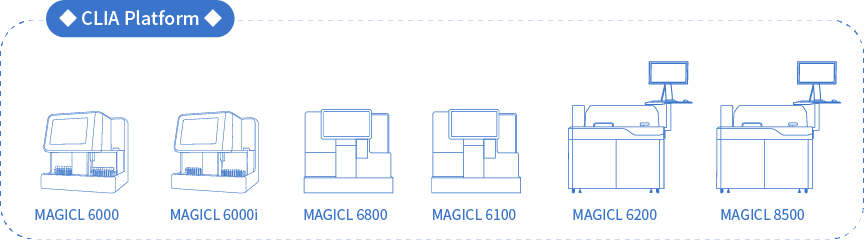
Getein offers bone metabolism marker testing across its POCT and CLIA platforms:
• POCT platform: 25-OH-VD, osteocalcin and PTH
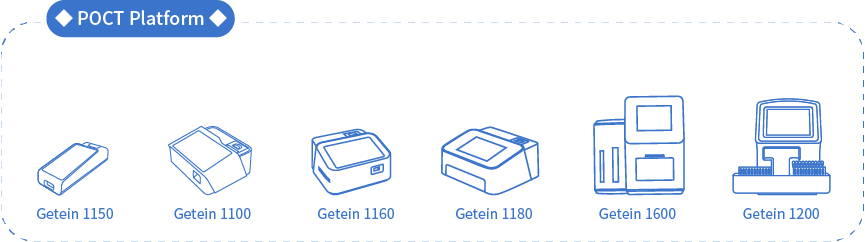
• CLIA platform: 25-OH-VD, osteocalcin, PTH, IGFBP-3 and calcitonin
The sample types shown include fingertip blood for 25-OH-VD, as well as whole blood, serum and plasma, depending on the assay and platform.
Test results should be interpreted by healthcare professionals alongside a patient’s medical history and other relevant assessments.
Protect Your Bones, One Step at a Time
• Include weight-bearing, muscle-strengthening and balance exercises in your routine.
• Choose a balanced diet with calcium-rich foods.
• Ask a healthcare professional whether vitamin D supplements or other steps are appropriate for you.
• Avoid smoking and limit alcohol.
• Reduce fall risks at home, especially on stairs and in bathrooms.
• Ask about bone health assessment if you have risk factors or a previous fragility fracture.
This World Osteoporosis Day, take charge of your bone health. Know your risk. Seek advice. Keep moving with confidence.
Strong Bones. Steady Steps. A Healthier Future.

abra wechat y escanee el código QR. manténgase conectado con nosotros.