September 2026
World Sepsis Day: Early Detection, Lives Matter

September 13 is World Sepsis Day, a global campaign dedicated to improving public understanding of sepsis and encouraging rapid medical action. Sepsis is a life-threatening condition, which can develop from many common infections, and it can progress within hours, so recognizing the warning signs and using reliable clinical and laboratory assessments are essential. In this article, we will explore sepsis risk factors, early symptoms, sepsis biomarkers and sepsis biomarker testing solutions.
What is Sepsis
Sepsis occurs when the body's response to an infection becomes dysregulated, causing organ dysfunction. In severe cases, it can lead to septic shock, dangerously low blood pressure, multiple organ failure, and death.
Almost any infection can trigger sepsis, including:
1. Lungs, such as pneumonia
2. Urinary tract or kidneys
3. Skin and soft tissues
4. Abdomen or intestines
5. Bloodstream
6. Brain and spinal tissues
Why does Early Recognition Matter
Sepsis can worsen quickly—sometimes within hours. The sooner treatment begins, the better the chance of preventing permanent organ damage.
Doctors may need to provide antibiotics, intravenous fluids, oxygen, blood-pressure support, and treatment for the original infection. Some patients require intensive care or mechanical ventilation. The Sepsis Diagnosis requires professional medical assessment, including examination, blood tests, imaging, and monitoring of organ function.
Comprehensive Sepsis Biomarkers
1. PCT (Procalcitonin)
PCT is commonly used to support the assessment of bacterial infection and sepsis. It may help guide antibiotic decisions and monitor treatment response, but elevated levels can also occur in non-infectious conditions.
2. SAA (Serum Amyloid A)
SAA is an acute-phase protein that rises rapidly during inflammation. It can help reflect inflammatory activity, but it is not specific to sepsis and may also increase with viral infections, tissue injury, or autoimmune disease.
3. IL-6 (Interleukin-6)
IL-6 is an early inflammatory cytokine that may increase soon after infection or tissue injury. Higher levels can indicate an intense inflammatory response and a greater risk of organ dysfunction.
4. CRP (C-Reactive Protein)
CRP is a widely used marker of inflammation. It can support infection assessment and help track treatment response, although it usually rises more slowly than IL-6 and is not specific to sepsis.
5. HBP (Heparin-Binding Protein)
HBP is released by activated neutrophils and is associated with vascular leakage and circulatory instability. It may help identify patients at risk of severe infection and organ dysfunction when combined with other tests.
These biomarkers are used as an aid in the assessment and evaluation of sepsis; results should always be interpreted alongside symptoms, clinical examination, cultures, imaging and organ-function tests.
Getein Comprehensive Sepsis Solution
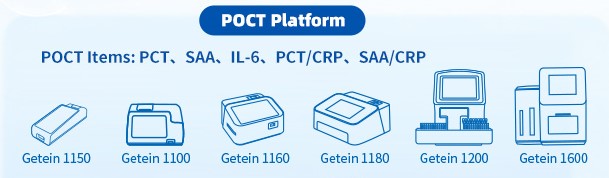


Getein provide comprehensive sepsis biomarker testing solutions on POCT & CLIA platforms, supporting fingertip blood, whole blood, serum and plasma samples.
Sepsis demands timely attention. Support early assessment, monitor disease progression, and help healthcare professionals act quickly to protect patients' lives.

abra wechat y escanee el código QR. manténgase conectado con nosotros.