August 2026
TB (Tuberculosis): Know It, Test It, Stop It
TB (Tuberculosis) has humanity for centuries, often beginning quietly with symptoms that are easy to overlook. In 2024, an estimated 10.7 million people developed TB and 1.23 million died from the disease. Yet around 2.4 million people were either not diagnosed or not officially reported. Closing this gap begins with earlier, faster, and more accessible testing.

When Should We Think About TB?
TB is caused by bacteria from the Mycobacterium tuberculosis complex, often reported as MTB. It most commonly affects the lungs, but it can also involve other parts of the body.
Common warning signs include:
•A cough that does not go away, sometimes with blood
•Chest pain, fever, or night sweats
•Unexplained tiredness, loss of appetite, or weight loss
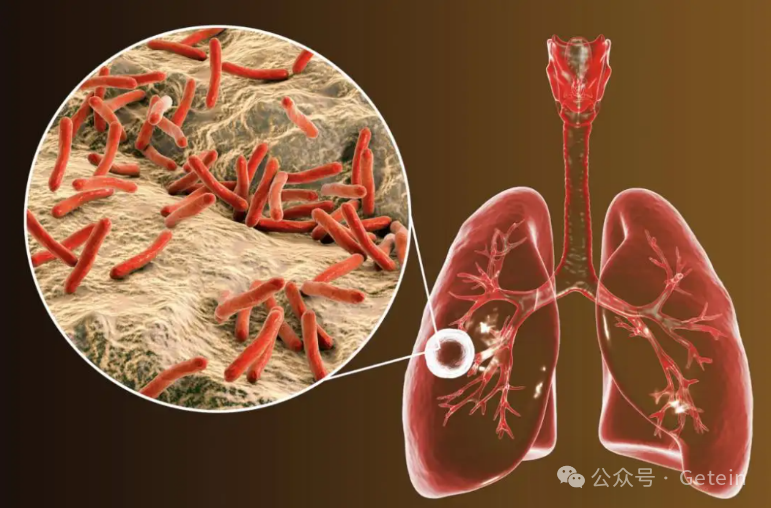

These symptoms do not always mean TB, but they deserve medical attention - especially after close contact with someone who has TB or when the immune system is weakened.
Why Diagnosis Used to Take So Long
For pulmonary TB, sputum is the most common sample and collection is usually non-invasive. For decades, testing relied mainly on microscopy and culture:
•Smear microscopy is fast and affordable, but it can miss cases when few bacteria are present and cannot reliably distinguish MTB from other mycobacteria.
•Culture is highly reliable and remains important for further testing, but results may take several weeks.
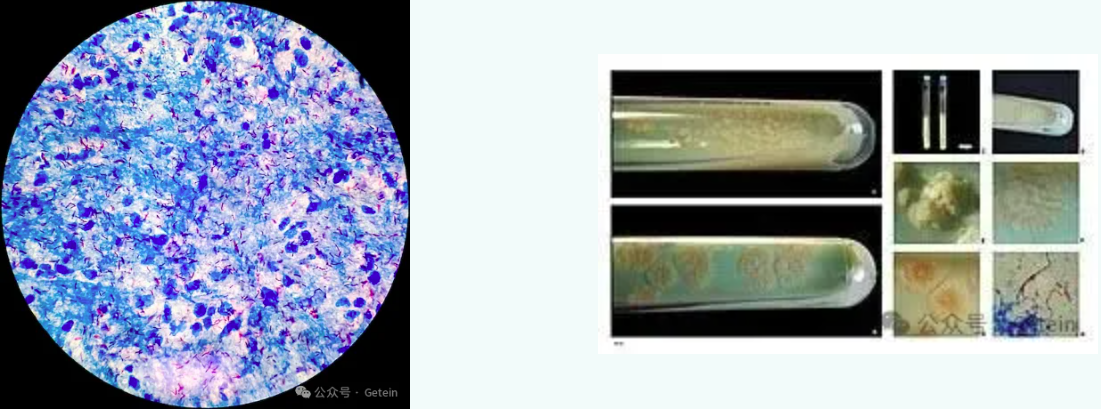
Molecular testing changed the picture. Instead of waiting for bacteria to grow, it looks directly for MTB genetic material. Depending on the assay and testing workflow, results can be available within hours - giving clinicians useful information much sooner.
Molecular POCT: Bringing Answers Closer
Molecular point-of-care testing (POCT) brings advanced detection closer to the patient. Compact systems can support testing in clinics, community facilities, regional laboratories, and other decentralized settings.
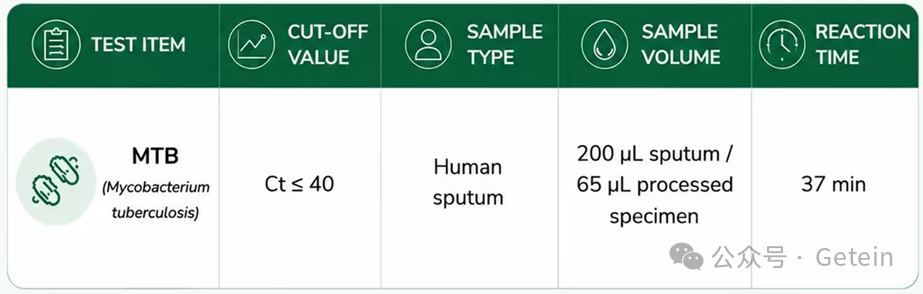
• Faster answers - from 30 minutes to 1 hour, depending on the assay and workflow. Getein's Akso MTB Real-time PCR Kit delivers results in just 37 minutes
• Greater sensitivity than smear microscopy, helping detect more MTB-positive samples
• Less reliance on long-distance sample transport and centralized infrastructure
• Earlier information to support timely clinical decisions and follow-up
Faster Detection. Wider Access. Better-Informed Care
Getein offers two molecular POCT analyzers, GN 7000 Akso PCR System and GN 7120 Akso PCR System, designed for different testing throughput needs. With a streamlined "samples in, results out"workflow, both systems deliver MTB results in as little as 37 minutes, helping bring molecular testing closer to the point of care.
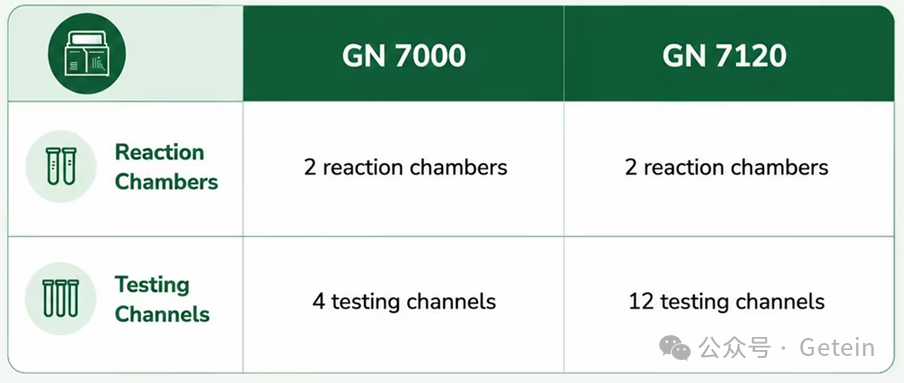
Both analyzers feature two reaction chambers. The GN 7000 provides four testing channels, while the GN 7120 provides 12, offering flexible capacity for different testing settings.
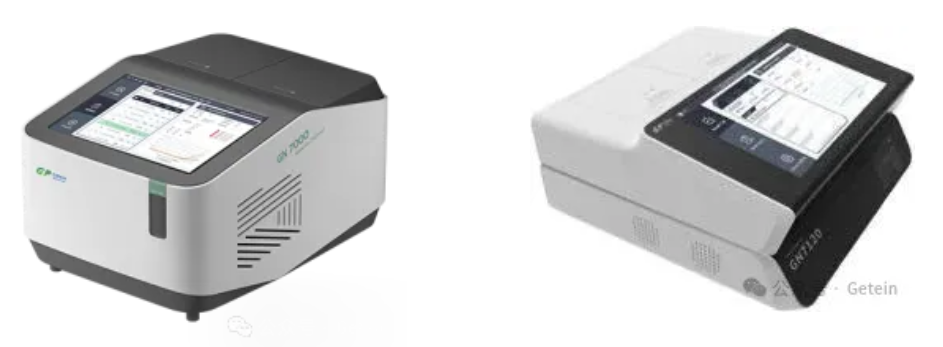
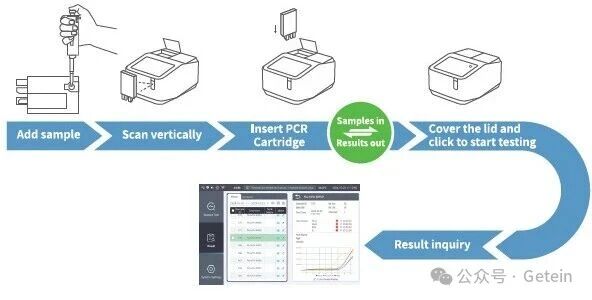
The gravity-driven microfluidic cartridge simplifies the testing workflow: add the sample, load the cartridge directly into the analyzer, and start the test. The cartridge also supports room-temperature transport and storage.

One test. More insight. Closer to the point of care.

abra wechat y escanee el código QR. manténgase conectado con nosotros.